
Contemporary Architecture Features That Define Modern Living
Homes today are expected to do more than simply provide shelter. They are increasingly viewed as personal sanctuaries, spaces that support comfort, functionality, lifestyle, and long-term aspirations. As urban living evolves, architecture has responded by becoming more thoughtful, adaptive, and deeply connected to the way people live.
Homes today are expected to do more than simply provide shelter. They are increasingly viewed as personal sanctuaries, spaces that support comfort, functionality, lifestyle, and long-term aspirations. As urban living evolves, architecture has responded by becoming more thoughtful, adaptive, and deeply connected to the way people live. Among the many evolving approaches to residential design, contemporary architecture has emerged as one of the most influential forces shaping modern homes.
Characterised by clean lines, purposeful layouts, natural materials, and an emphasis on openness, contemporary homes reflect changing lifestyles and evolving expectations. Rather than following rigid formulas, this design philosophy adapts to present-day needs, blending aesthetics with practicality in a way that feels both timeless and relevant.
For homeowners, architecture today influences much more than visual appeal. The way a space is designed affects natural light, ventilation, comfort, privacy, flexibility, and even emotional wellbeing. As cities continue to grow and lifestyles become increasingly dynamic, homes designed with modern functionality in mind are becoming more desirable.
Understanding the features that define modern architecture helps buyers recognise what truly contributes to a meaningful living experience. From open layouts and sustainable materials to wellness-focused design and seamless indoor–outdoor connections, contemporary homes continue to redefine expectations around urban living.
Understanding Contemporary Architecture in Today’s Context
Before exploring its defining features, it is helpful to understand the contemporary architecture meaning and why it has become increasingly relevant in modern residential spaces.
Simply put, contemporary architecture refers to architectural design that reflects the present moment. Unlike historical styles that follow a fixed visual language, contemporary design evolves continuously, adapting to changing technologies, environmental priorities, and lifestyle preferences. What is considered contemporary today may continue evolving in the years ahead.
This adaptability is one of the reasons contemporary homes feel highly aligned with modern lifestyles. Rather than prioritising ornamentation alone, contemporary design focuses on balance, usability, comfort, and spatial efficiency.
While the terms are often used interchangeably, contemporary architecture and modern architecture are not exactly the same.
Contemporary Architecture vs Modern Architecture
Modern architecture refers to a design movement that emerged during the early to mid-20th century. It focused on simplicity, functionality, minimal ornamentation, and industrial materials such as steel, glass, and concrete.
Contemporary design, on the other hand, is more fluid. It draws inspiration from multiple influences and adapts according to changing social, environmental, and technological priorities. In many ways, contemporary homes build upon the foundations of modernism while incorporating greater warmth, sustainability, and flexibility.
Today’s premium residences often blend elements of both approaches, combining clean geometry with natural textures, functional layouts, and human-centred design.
Why Contemporary Architecture Resonates with Modern Living
Residential preferences have shifted dramatically over the years. Homeowners today increasingly seek environments that support wellness, productivity, family life, and personal comfort.
This is precisely why contemporary architecture continues to resonate so strongly.
Homes Have Become Multi-Functional Spaces
The role of the home has expanded considerably.
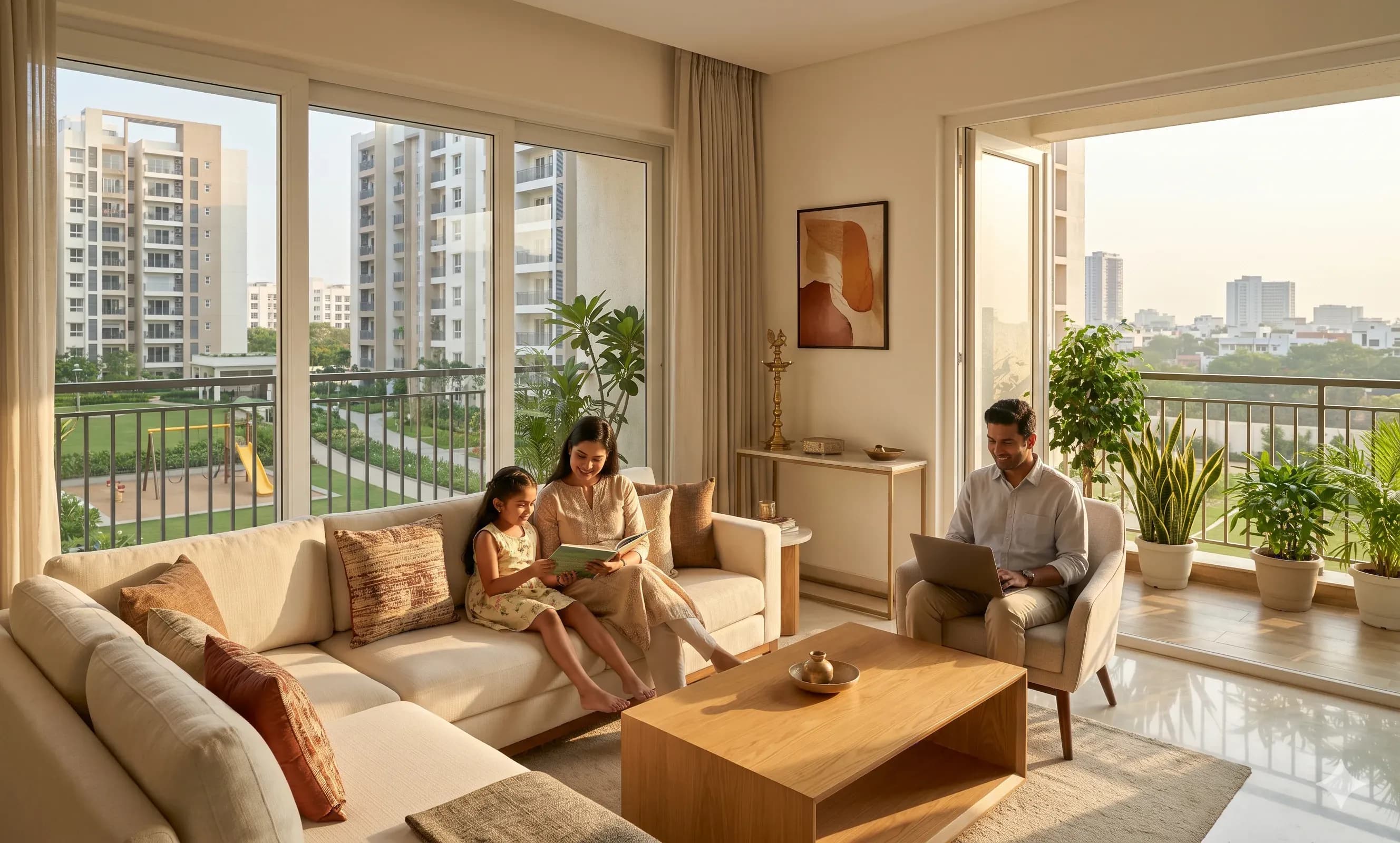
Spaces that once served only a single function are now expected to adapt throughout the day. Living rooms become workspaces, balconies transform into wellness corners, and dining areas increasingly support social gatherings or flexible family interactions.
Contemporary homes embrace this reality by prioritising openness, adaptability, and seamless spatial transitions.
Rather than rigid room divisions, layouts often encourage flow and flexibility, helping residents use spaces according to changing needs.
Lifestyle Is Influencing Design More Than Ever
Modern homeowners increasingly evaluate homes based on how they support everyday life.
Comfort, privacy, natural light, wellness amenities, and functional planning often influence purchasing decisions as much as location itself. As expectations evolve, architecture has naturally responded by becoming more human-centric.
Many of today’s leading architectural design trends prioritise quality of life rather than purely decorative aesthetics.
Simplicity Has Become Aspirational
Minimalism continues to influence residential preferences, but simplicity today does not necessarily mean stark or cold environments.
Instead, contemporary homes often focus on calm, uncluttered spaces that feel visually balanced and emotionally restorative. Neutral palettes, open spaces, natural textures, and clean architectural detailing contribute to homes that feel refined without appearing excessive.
This understated sophistication is one reason contemporary design continues to remain highly desirable.
Defining Features of Contemporary Architecture
Several distinct features define modern contemporary residences. While every project interprets these elements differently, certain principles consistently shape contemporary homes.
Open Floor Plans That Encourage Flow
One of the most recognisable characteristics of contemporary architecture is openness.
Rather than separating functions through rigid walls and compartments, contemporary homes often encourage fluid transitions between spaces. Kitchens connect more naturally with dining areas, living spaces feel more expansive, and visual continuity creates a greater sense of openness.
This design approach supports both functionality and social interaction while making homes feel brighter and more spacious.
Open layouts are especially relevant in urban settings, where thoughtful planning helps maximise available space.
Natural Light as a Design Priority
Light plays a central role in shaping modern residential experiences.
Large windows, expansive glazing, skylights, and thoughtfully placed openings help maximise daylight penetration throughout interiors. Natural light not only improves aesthetics but also contributes to wellbeing, comfort, and energy efficiency.
Many contemporary homes are designed to blur the boundaries between interior and exterior spaces, helping residents feel more connected to nature even in dense urban environments.
Clean Lines and Refined Geometry
Unlike heavily decorative homes, contemporary residences often prioritise clarity and restraint.
Straight lines, geometric balance, uncluttered façades, and simple structural forms contribute to a sense of sophistication. These elements allow materials, proportions, and space itself to become defining visual features.
This principle has strongly influenced modern architecture, particularly in premium residential developments that emphasise timeless design over short-lived visual trends.
Indoor–Outdoor Connectivity That Enhances Everyday Living
One of the defining characteristics of contemporary architecture is its ability to create a stronger relationship between indoor and outdoor environments.
Rather than treating outdoor areas as separate spaces, contemporary homes increasingly integrate balconies, landscaped terraces, private gardens, and sit-outs into the overall living experience. Large sliding doors, floor-to-ceiling windows, and open visual connections allow homes to feel more expansive and naturally ventilated.
This approach supports both functionality and wellness. Access to natural surroundings, even within urban environments, often contributes to a calmer and more balanced lifestyle.
In premium residential developments, thoughtfully designed outdoor spaces are increasingly viewed as extensions of the home itself.
Sustainability Is No Longer Optional
As environmental awareness grows, sustainability has become central to residential design.
Today’s architectural design trends increasingly prioritise energy efficiency, sustainable materials, water conservation, and passive cooling techniques. Homes are being designed to reduce environmental impact while simultaneously improving long-term comfort.
Features such as natural cross-ventilation, energy-efficient glazing, solar-ready systems, rainwater harvesting, and environmentally conscious material selection are becoming increasingly relevant in urban developments.
Rather than appearing purely technical, sustainable design now contributes meaningfully to everyday living by improving comfort and reducing long-term maintenance concerns.
Smart Space Planning for Urban Lifestyles
Urban living often requires homes to maximise functionality without compromising comfort.
This is where contemporary planning stands out.
Rather than focusing only on square footage, contemporary homes prioritise intelligent layouts that support efficiency and flexibility. Storage integration, multipurpose corners, optimised circulation, and thoughtfully positioned living spaces help create homes that feel practical for daily life.
As cities become denser, space planning has become one of the most valuable aspects of residential design.
Modern homeowners increasingly value homes that feel intuitive, functional, and adaptable to changing lifestyle needs.
Material Contrast and Textural Warmth
Unlike minimalist spaces that may sometimes feel stark, contemporary homes often incorporate warmth through materials and textures.
Natural stone, wood finishes, glass, exposed concrete, metal detailing, and layered materials are increasingly used to create visual depth and sophistication. These combinations help spaces feel elegant while maintaining simplicity.
This restrained yet refined material palette has become one of the defining qualities of premium modern architecture, particularly in luxury urban residences where timelessness matters.
How Contemporary Homes Differ from Traditional Architectural Styles
The evolution of residential design becomes particularly noticeable when comparing contemporary spaces with older architectural styles.
Traditional homes often emphasised symmetry, ornamentation, enclosed layouts, and decorative detailing. While many of these homes offered cultural richness and craftsmanship, contemporary residences increasingly prioritise openness, flexibility, and efficiency.
For example, older layouts typically separated spaces into formal rooms with clearly defined functions. Contemporary homes, in contrast, often encourage more fluid transitions between living, dining, and social spaces.
Similarly, while traditional design focused heavily on decorative expression, contemporary homes often rely on proportion, natural materials, and restrained detailing to create visual impact.
Neither approach is inherently better—they simply respond to different lifestyle priorities and historical contexts.
However, as living habits continue to evolve, contemporary design increasingly reflects how people prefer to experience their homes today.
The Shift Toward Experience-Led Living
Modern homebuyers increasingly prioritise how a home feels rather than simply how it looks.
Comfort, openness, privacy, natural light, and emotional wellbeing often influence purchasing decisions as much as design aesthetics. Contemporary architecture supports this shift by creating homes that feel calming, practical, and deeply connected to daily life.
This emphasis on experience has significantly influenced premium housing developments across growing urban cities.
Architectural Design Trends Shaping Homes in 2026
The future of residential living continues to be shaped by evolving design priorities. Several emerging architectural design trends are influencing how contemporary homes are imagined and built.
Wellness-Focused Living Spaces
Health and wellbeing increasingly influence residential design decisions.
Homes today are expected to support physical and mental wellness through better air circulation, natural lighting, biophilic design, quieter interiors, and access to open spaces.
Design elements that reduce stress and improve comfort are becoming increasingly important for urban homeowners.
This shift reflects a growing understanding that architecture plays an important role in everyday wellbeing.
Flexible Layouts for Changing Needs
Flexibility continues to shape contemporary planning.
Dedicated workspaces, convertible rooms, multifunctional layouts, and adaptable living areas are becoming increasingly desirable as households evolve.
Rather than rigid design approaches, homes are increasingly expected to adapt to changing routines over time.
This flexibility supports long-term livability, an increasingly important consideration for modern families.
Technology-Integrated Homes
Smart living is gradually becoming more integrated into residential experiences.
Lighting automation, energy management systems, digital security, smart appliances, and integrated home controls are increasingly influencing premium developments.
While technology enhances convenience, contemporary design ensures these systems remain seamlessly integrated rather than visually intrusive.
The focus remains on creating environments that feel intuitive and effortless.
Design That Supports Longevity
Short-term trends may influence interiors, but architecture increasingly prioritises timelessness.
Homes designed with flexibility, durable materials, natural ventilation, and adaptable layouts often remain relevant for years to come.
This long-term thinking continues to influence premium housing and future-focused residential planning.
The Role of Contemporary Architecture in Premium Urban Homes
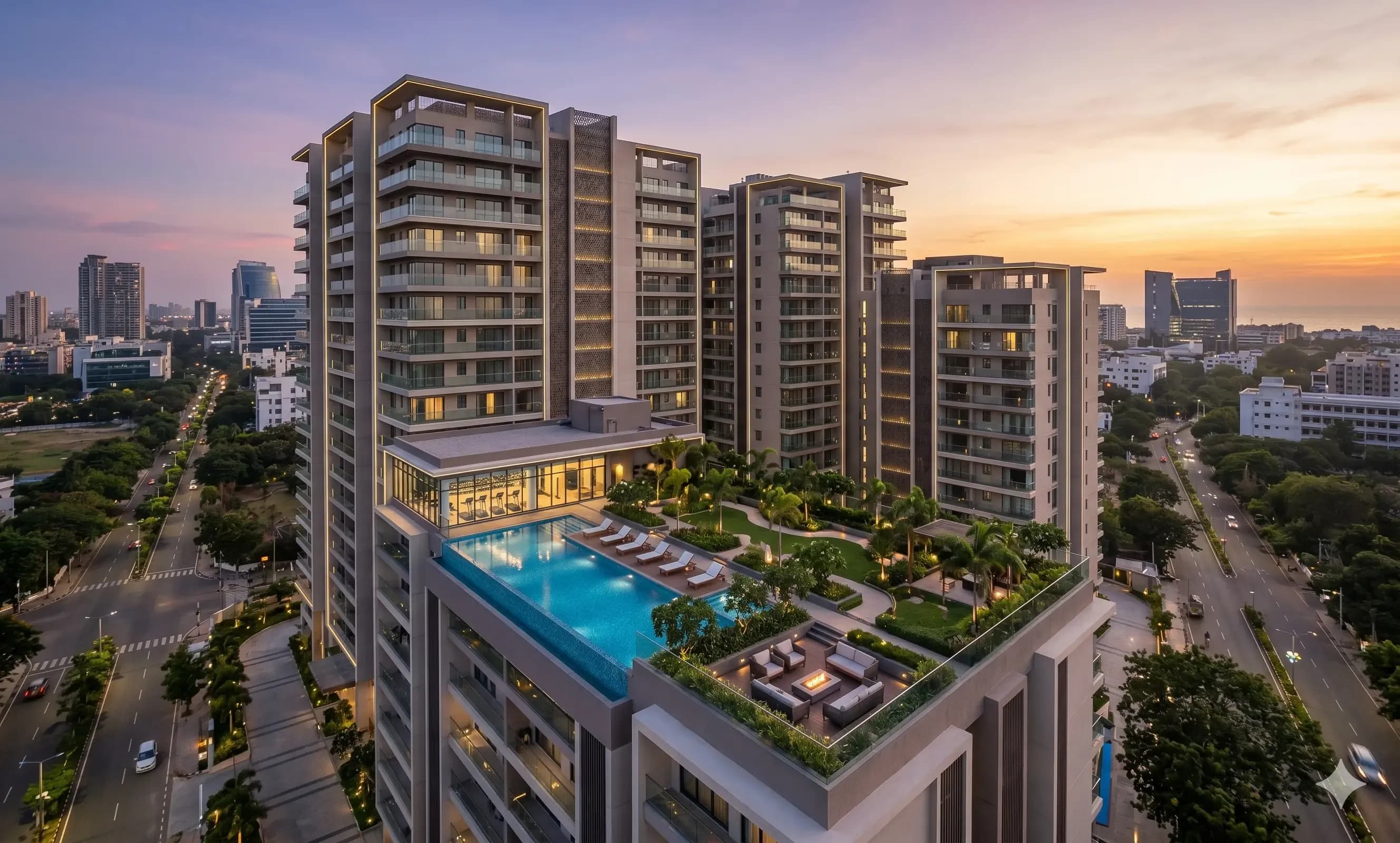
As cities evolve, premium residential developments increasingly reflect the values of contemporary architecture.
Urban homeowners today seek residences that support convenience without sacrificing comfort. Spacious layouts, natural lighting, privacy, wellness amenities, and thoughtful planning have become increasingly important.
Contemporary design helps balance these priorities while addressing the realities of urban density and changing lifestyles.
For premium residences, architecture is no longer viewed purely as visual expression—it becomes central to the living experience itself.
Developments that thoughtfully integrate functionality, aesthetics, and long-term usability often stand out in an increasingly competitive housing landscape.
Asta Properties: Homes Inspired by Contemporary Living
At Asta Properties, residential design is approached with a deep understanding of evolving urban lifestyles. As expectations around modern architecture continue to change, thoughtfully planned spaces, premium finishes, and meaningful living experiences remain central to creating homes that feel relevant both today and in the future.
Projects such as Asta Arise, Alwarpet and Asta Aura, Gopalapuram reflect many of the principles shaping contemporary residential living. From spacious layouts and refined architectural detailing to premium neighbourhoods and enhanced connectivity, these developments are thoughtfully designed to support the expectations of modern urban families.
As residential preferences continue evolving, homes that combine functionality, comfort, exclusivity, and timeless design are likely to remain central to Chennai’s changing housing landscape.
Designing Homes for the Future
The growing popularity of contemporary architecture reflects more than a visual preference—it represents a shift in how people want to live.
Today’s homeowners increasingly seek spaces that support flexibility, wellness, comfort, and long-term functionality. Open layouts, natural light, sustainable thinking, thoughtful planning, and cleaner aesthetics are redefining expectations around modern living.
Understanding the contemporary architecture meaning helps reveal why these design principles continue to shape homes across cities and premium developments. While evolving architectural styles will continue influencing residential design, contemporary thinking remains deeply connected to present-day lifestyles and future aspirations.
As architectural design trends continue to evolve, homes designed around people, not simply structures, are likely to define the future of residential living.
FAQs
What is the contemporary architecture meaning?
The contemporary architecture meaning refers to design that reflects present-day needs, technologies, and lifestyle preferences. Unlike fixed historical styles, contemporary design continues to evolve over time. It typically focuses on clean lines, open spaces, functionality, and stronger connections to natural environments.
How is contemporary architecture different from modern architecture?
While the terms are often used interchangeably, modern architecture refers to a specific design movement from the early to mid-20th century. Contemporary architecture, on the other hand, reflects current design practices and continues to evolve with changing preferences. Many homes today blend influences from both approaches.
Why is contemporary architecture popular in residential design?
Contemporary architecture has gained popularity because it supports changing lifestyles and modern living expectations. Features such as open layouts, natural lighting, sustainability, and flexible spaces make homes feel more functional and comfortable. Its timeless yet adaptable approach also appeals to long-term homeowners.
What are the most popular architectural design trends today?
Current architectural design trends include wellness-focused spaces, sustainable materials, energy-efficient planning, smart home integration, and multifunctional layouts. Many modern homes also prioritise indoor–outdoor connectivity and natural ventilation. These trends increasingly shape premium residential developments.
How do architectural styles influence home design?
Different architectural styles influence how homes are planned, experienced, and visually expressed. Traditional styles often emphasise decorative detailing, while contemporary homes typically focus on simplicity, openness, and functionality. The right design approach often depends on lifestyle needs and personal preferences.
Same topic
Read further into this corridor
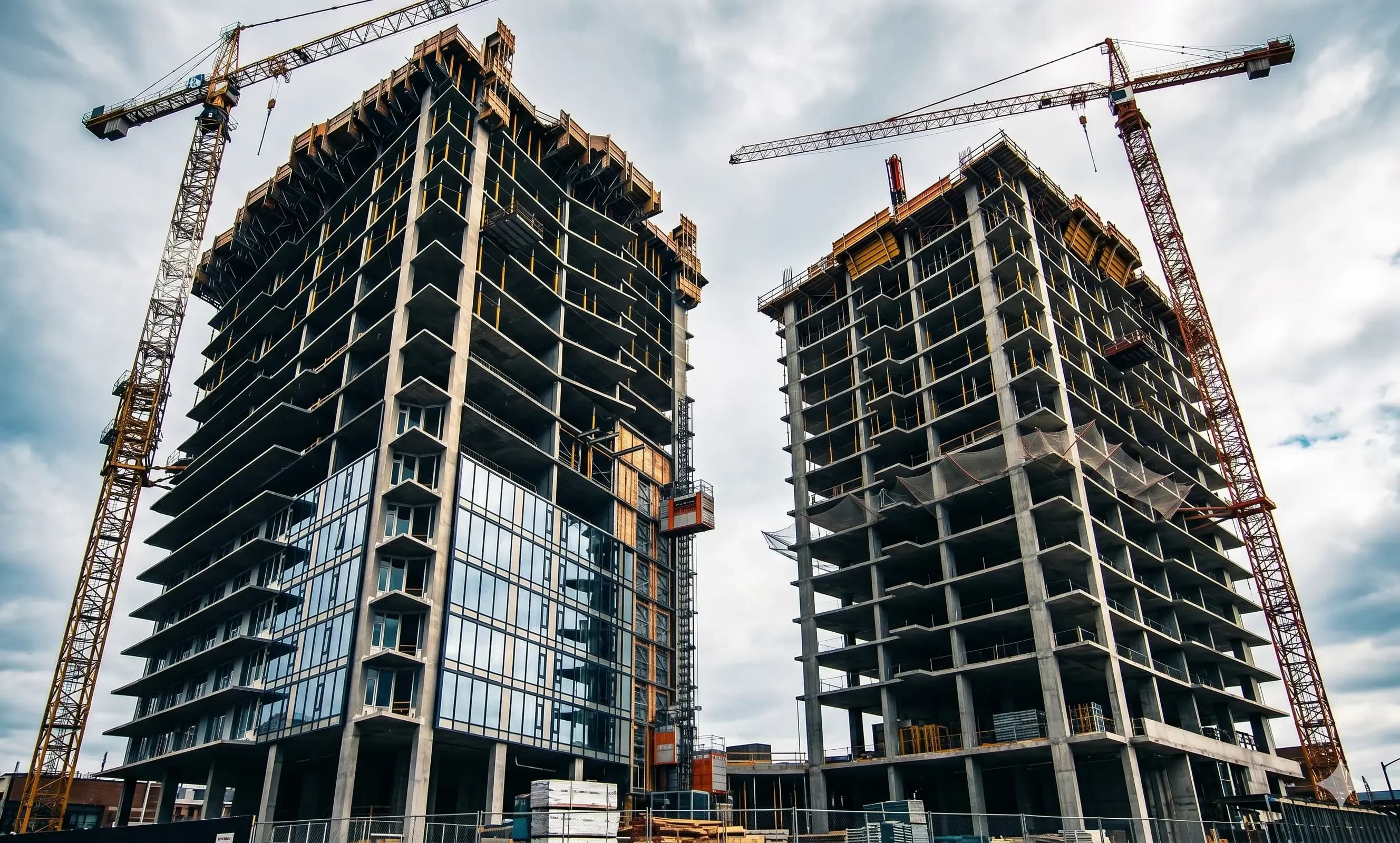
How Construction Quality Defines a Lifestyle Apartment
A lifestyle apartment today represents far more than aesthetic appeal or a long list of amenities. It reflects a way of living that prioritises comfort, durability, and long-term value. Buyers are increasingly being selective, looking beyond surface finishes to understand how a home is built and how it will perform years down the line.
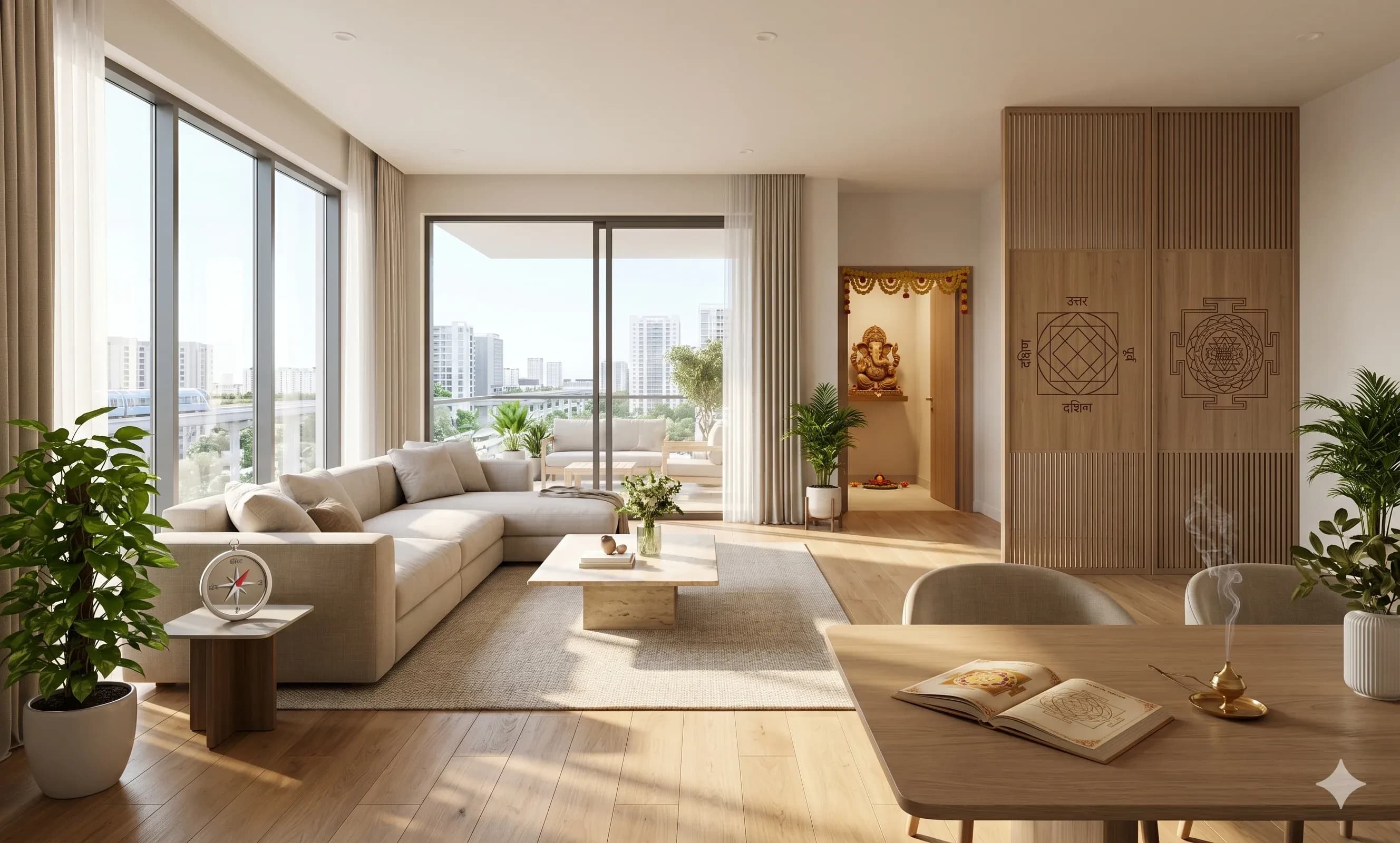
How to Choose the Right Home Using Vastu Directions for House
Choosing a home goes far beyond square footage and location. For many Indian homebuyers, especially those seeking long-term peace and balance, Vastu Shastra plays a meaningful role in the decision-making process. At its core, Vastu is about aligning your living space with natural forces, helping create harmony between the home and its occupants.
10 Benefits of Buying Flats in Chennai for Long-Term Living
Chennai has steadily positioned itself as one of India’s most dependable cities for long-term residence. With a strong economic foundation, expanding infrastructure, and a rich cultural identity, the city continues to attract families, professionals, and retirees alike.
Why Luxury Apartments in Chennai Are a Wise and Rewarding Investment
Chennai’s real estate market has long been valued for its stability and steady growth. Over time, the expectations of homebuyers and investors have also matured. Today, the decision to buy a home is less about short-term convenience and more about choosing a property that offers lasting value, comfort, and future security.
Keep reading
Continue the conversation
How to Choose the Right Home Using Vastu Directions for House
Choosing a home goes far beyond square footage and location. For many Indian homebuyers, especially those seeking long-term peace and balance, Vastu Shastra plays a meaningful role in the decision-making process. At its core, Vastu is about aligning your living space with natural forces, helping create harmony between the home and its occupants.