
How to Choose the Right Home Using Vastu Directions for House
Choosing a home goes far beyond square footage and location. For many Indian homebuyers, especially those seeking long-term peace and balance, Vastu Shastra plays a meaningful role in the decision-making process. At its core, Vastu is about aligning your living space with natural forces, helping create harmony between the home and its occupants.
Choosing a home goes far beyond square footage and location. For many Indian homebuyers, especially those seeking long-term peace and balance, Vastu Shastra plays a meaningful role in the decision-making process. At its core, Vastu is about aligning your living space with natural forces, helping create harmony between the home and its occupants. When applied thoughtfully, Vastu directions for house selection can influence comfort, emotional well-being, and everyday living.
In a modern urban setting, buyers often question whether traditional principles still apply. The reality is that understanding house direction as per Vastu doesn’t require rigid adherence—it simply helps you make more informed choices while selecting a home that feels right both practically and energetically.
Why Vastu Directions Play a Crucial Role in Home Selection
Vastu Shastra is built on the relationship between space, energy, and the five natural elements—earth, water, fire, air, and space. These elements are believed to influence how a home feels and functions on a daily basis. Directions form the foundation of this relationship, acting as channels through which these elements interact within a living space. Each direction carries a specific influence, which subtly shapes not just the layout of a home, but also the way energy moves through it and how comfortable the space feels to live in over time.
When choosing a home, the house facing direction plays a key role in determining how natural light enters the space, how fresh air circulates, and how energy flows from one area to another. These factors directly affect the atmosphere of the home—bright, well-ventilated spaces tend to feel more open and uplifting, while poorly oriented homes can feel closed off or heavy. This is why directions in Vastu are not treated as symbolic ideas, but as practical considerations. A well-oriented home naturally supports positivity, ease, and balance in everyday living, whereas a poorly aligned one may gradually feel restrictive or unsettled, even if everything looks fine on the surface.
The significance of directions in Vastu Shastra
From a Vastu perspective, directions help maintain balance between natural elements, ensuring no single force dominates the living environment. This balance can subtly influence daily routines—how relaxed you feel at home, how focused you are during the day, and even how well you rest at night. Over time, this harmony contributes to a sense of stability and comfort that many homeowners value deeply.
Essential Vastu Directions to Evaluate Before Finalising a Home
Before committing to a property, it’s important to look beyond the interiors and understand how directions shape the home as a whole. Many buyers ask which facing house is good, but the answer depends on more than just one preferred direction.
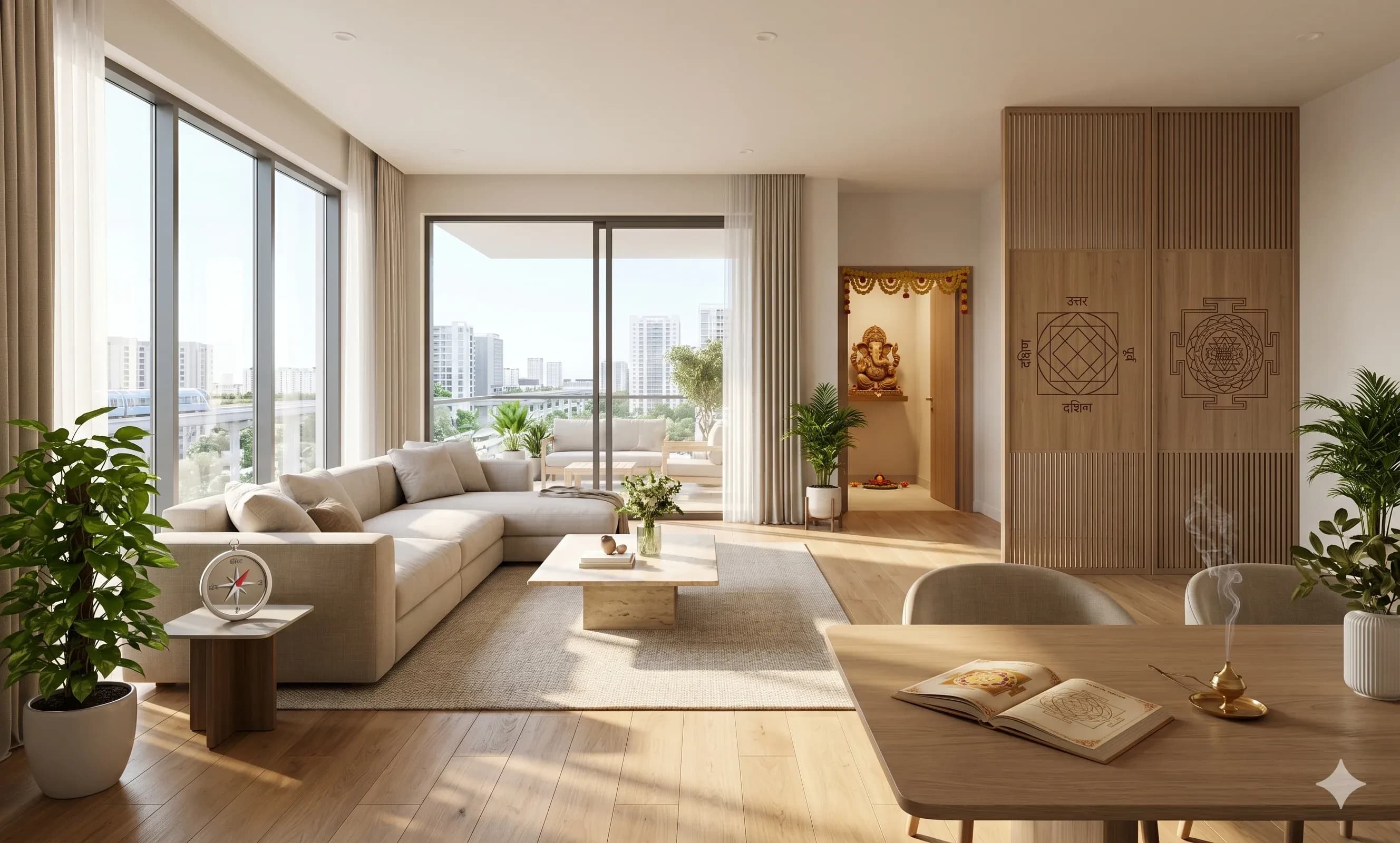
The four main directions—north, south, east, and west—each have distinct characteristics in Vastu. North and east are traditionally favoured due to their association with prosperity and growth, while south and west can also be beneficial when supported by the right layout. Alongside these, intermediate directions like north-east or south-west play a critical role in determining how spaces within the home function.
Preferred directions for key areas of the home
Certain areas of the house benefit from specific directional placement. The main entrance is ideally positioned to welcome positive energy, while living areas should encourage openness and interaction. Bedrooms, on the other hand, require calm and stability, making their placement just as important as the overall orientation of the home.
Choosing the Right Entrance Direction as per Vastu
The entrance is often described as the mouth of the home, making entrance direction as per Vastu one of the most discussed aspects of house selection. It serves as the primary point through which energy enters, influencing the atmosphere inside.
A well-positioned entrance allows natural light and air to flow freely, creating a welcoming environment. Buyers frequently wonder which is best facing house as per Vastu, and while east- and north-facing entrances are commonly preferred, other orientations can also work when designed thoughtfully.
How different entrance directions influence the home
East- and north-facing entrances are associated with optimism and clarity, making them popular choices. However, south- or west-facing homes should not be dismissed outright. With proper planning and balance, these options can also offer stability and comfort, especially in urban apartment settings where flexibility is often required.
Room Placement and Layout Planning Through a Vastu Lens
Vastu doesn’t stop at the entrance—it extends into how each room is positioned and connected within the home. A house according to Vastu considers the purpose of every space and aligns it with the appropriate direction.
Bedrooms, kitchens, dining areas, and living rooms each serve different functions and benefit from thoughtful placement. Alongside this, the overall layout flow matters just as much. Open, well-ventilated spaces allow energy to circulate freely, while cramped or poorly planned layouts can feel restrictive.
Vastu considerations for different rooms
Kitchens are typically associated with fire and nourishment, while dining areas support togetherness and health. Bedrooms, especially the master bedroom, should be placed to promote rest and emotional stability, while children’s rooms benefit from layouts that encourage focus and growth.
Common Vastu Oversights to Avoid When Buying a Home
In the excitement of purchasing a home, buyers often focus on design, pricing, or location and overlook important Vastu elements. One common mistake is ignoring the overall orientation of the plot or flat, assuming that interiors alone can compensate for directional imbalance.
Another frequent oversight is room positioning. Poor placement of essential spaces like bedrooms or kitchens can disrupt the flow of energy. While minor adjustments are possible, structural issues are harder to correct later, making early evaluation crucial.
Applying Vastu Principles in Today’s Modern Homes
Modern homes and premium apartments from Asta Properties combine smart design with Vastu principles, offering balance and comfort for residents. In fact, many principles can be adapted intelligently without compromising on lifestyle or aesthetics.
Achieving perfect Vastu for home doesn’t mean following every rule rigidly. Instead, it’s about prioritising key aspects such as direction, light, ventilation, and balance. Simple Vastu tips for house selection—like mindful furniture placement or choosing the right orientation—can significantly enhance comfort and harmony without major structural changes.
Bringing Vastu and Modern Living Together
Choosing the right home is a deeply personal decision, and Vastu offers a thoughtful framework to guide that choice. Understanding Vastu directions for house selection helps buyers look beyond surface-level features and focus on how a home supports everyday living.
By paying attention to direction, entrance placement, room layout, and energy flow, it becomes possible to create a home that blends tradition with modern needs. A well-planned home doesn’t just meet practical requirements—it creates a sense of balance, comfort, and lasting harmony for those who live in it.
FAQs
1. Which facing house is considered ideal according to Vastu?
As per Vastu principles, many experts believe that which facing house is good depends on how well the direction aligns with light, airflow, and room placement. East- and north-facing homes are often preferred as they are associated with positivity and balanced energy.
2. How house direction as per vastu important when buying a home?
The house direction as per vastu plays a vital role in how energy moves through a home and how spaces are experienced daily. A well-aligned direction can support comfort, harmony, and long-term peace of mind for residents.
3. Which is the best facing house as per Vastu Shastra?
There is no single answer to which is best facing house as per vastu, as suitability depends on layout, entrance placement, and surrounding environment. However, north- and east-facing homes are commonly favoured when other Vastu factors are also well balanced.
4. Why is the entrance direction important in Vastu-compliant homes?
The entrance direction as per vastu is considered the primary channel for energy entering the home. A thoughtfully positioned entrance can enhance positivity, improve daily flow, and create a welcoming atmosphere for occupants and visitors alike.
5. Can Vastu principles be followed in modern apartments?
Yes, applying vastu tips for house selection is very much possible even in apartments by focusing on orientation, room placement, and natural light. Small, informed choices can help maintain balance without needing major structural changes.
Same topic
Read further into this corridor
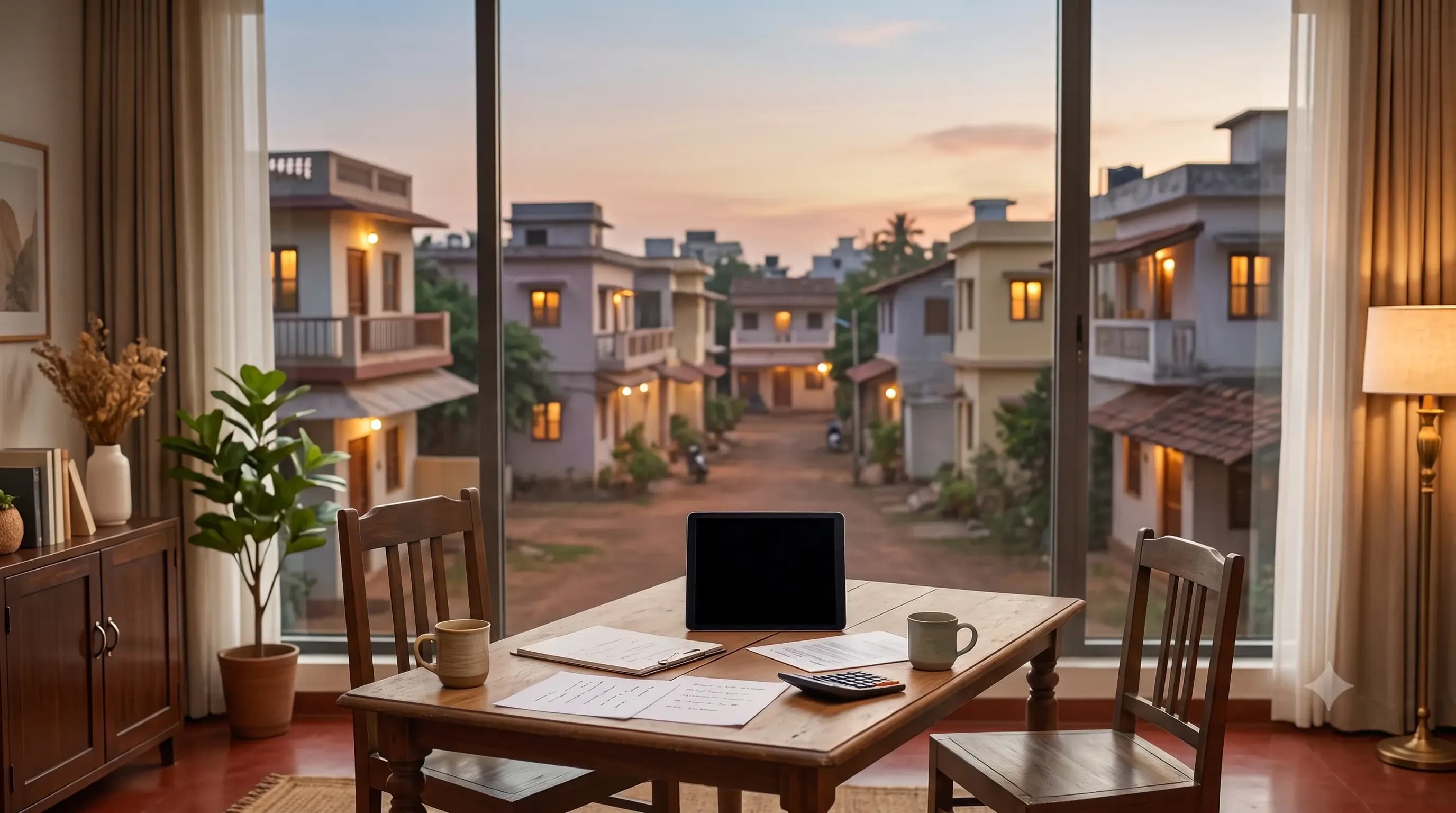
Homebuyer’s Guide to Understanding Property Taxes in India
Buying a home is one of the most meaningful financial decisions a person makes. While location, amenities, pricing, and interiors often influence the buying journey, understanding long-term ownership costs is equally important.

Understanding the Chennai Real Estate Market in 2026
Chennai has long been recognised as a city that balances economic opportunity with a steady pace of urban growth. Over the years, its residential landscape has evolved alongside expanding infrastructure, thriving employment hubs, and changing lifestyle expectations.
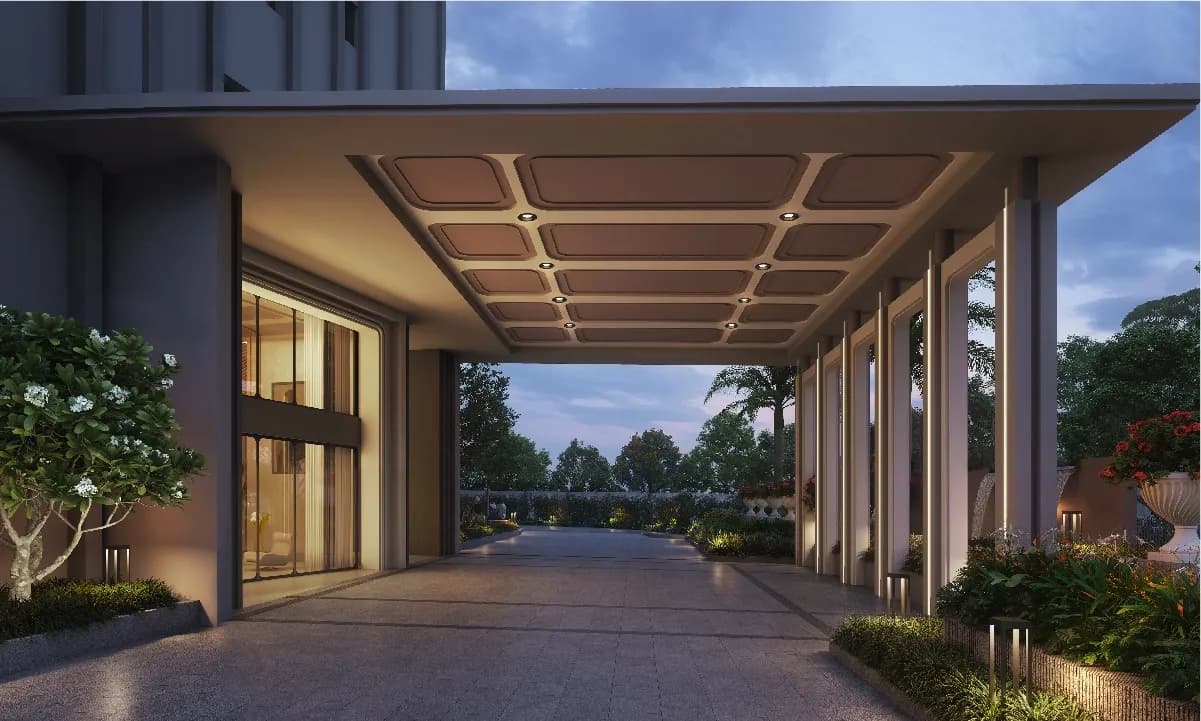
Contemporary Architecture Features That Define Modern Living
Homes today are expected to do more than simply provide shelter. They are increasingly viewed as personal sanctuaries, spaces that support comfort, functionality, lifestyle, and long-term aspirations. As urban living evolves, architecture has responded by becoming more thoughtful, adaptive, and deeply connected to the way people live.
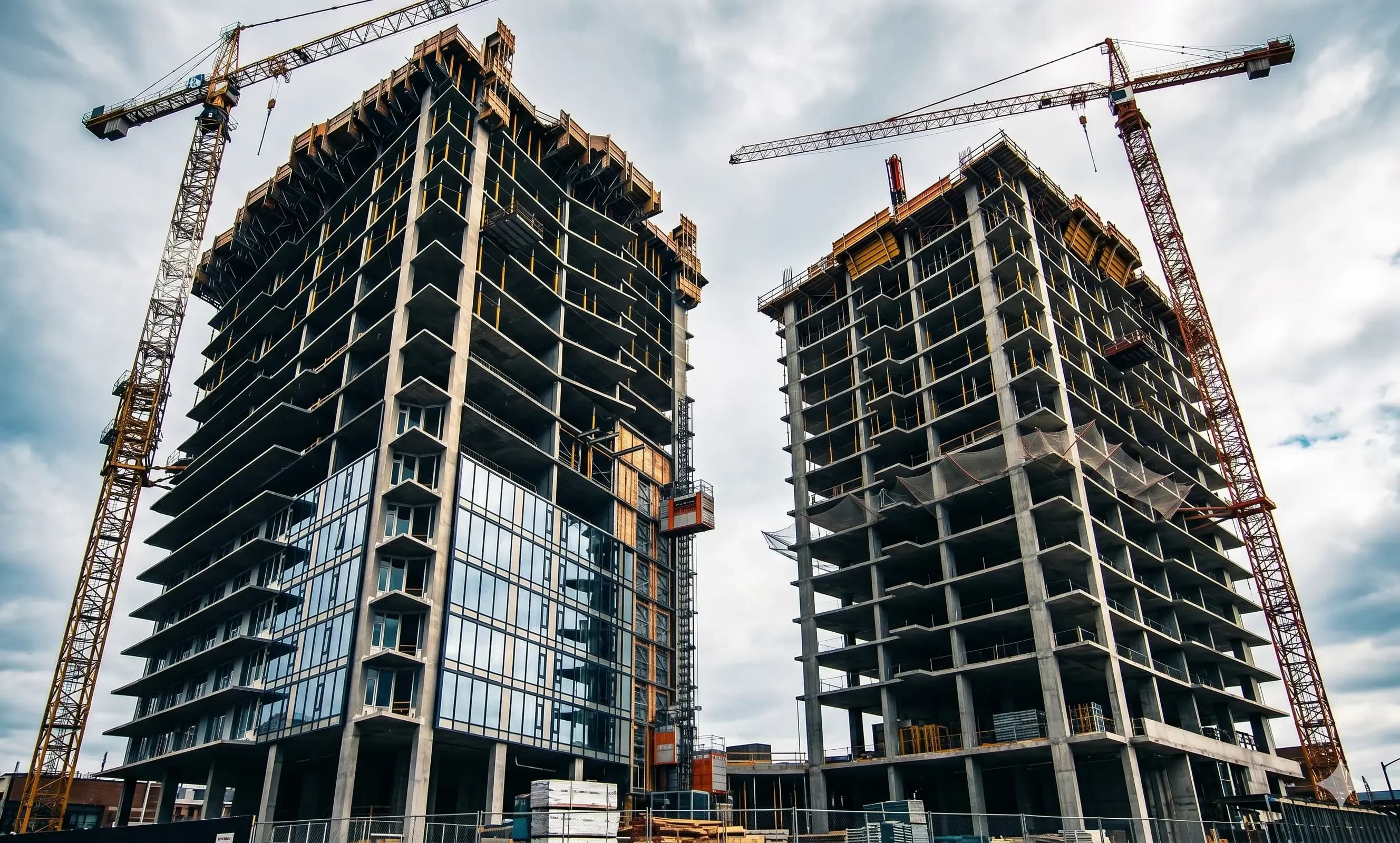
How Construction Quality Defines a Lifestyle Apartment
A lifestyle apartment today represents far more than aesthetic appeal or a long list of amenities. It reflects a way of living that prioritises comfort, durability, and long-term value. Buyers are increasingly being selective, looking beyond surface finishes to understand how a home is built and how it will perform years down the line.
Keep reading
Continue the conversation
Contemporary Architecture Features That Define Modern Living
Homes today are expected to do more than simply provide shelter. They are increasingly viewed as personal sanctuaries, spaces that support comfort, functionality, lifestyle, and long-term aspirations. As urban living evolves, architecture has responded by becoming more thoughtful, adaptive, and deeply connected to the way people live.